The Cream Standard: Judging Winter White Wool by Hand, Light, and Finish
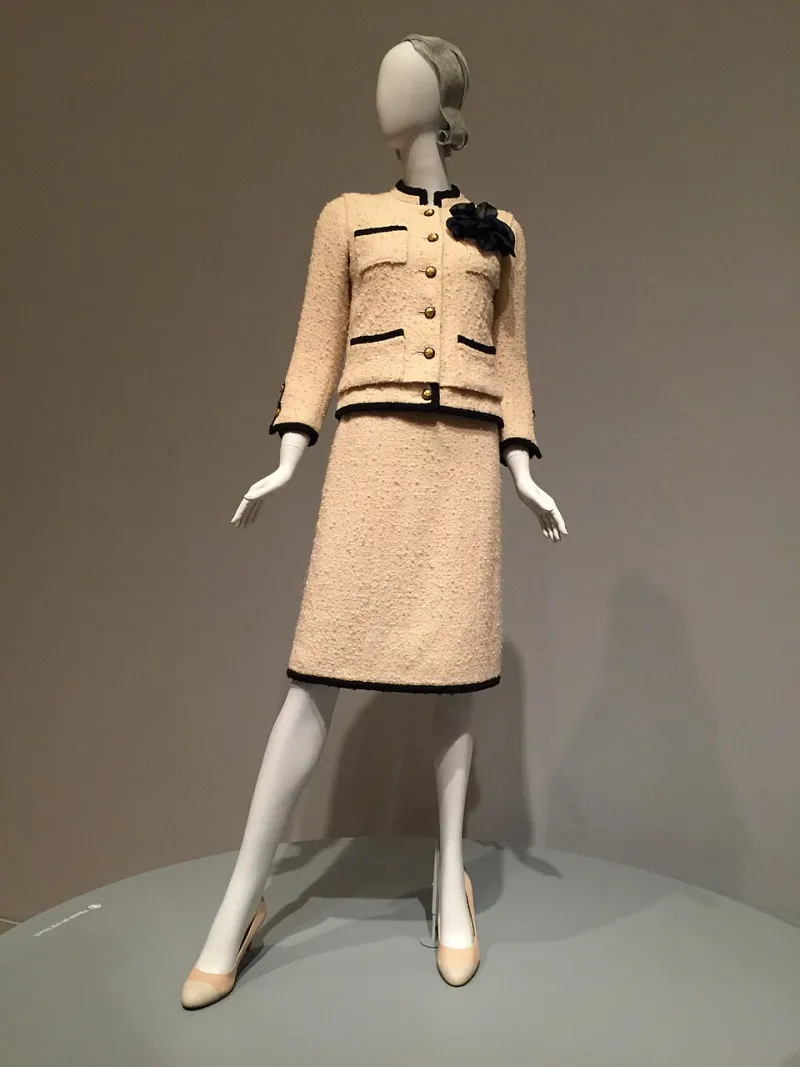
Photo: Laura Blanchard, CC BY-SA 2.0, via Wikimedia Commons
Winter white has long been treated as a garment for the cautious to avoid and the daring to defend. In a considered wardrobe, however, cream wool is less a seasonal exception than a useful test. It shows what a maker has done — and what a maker has skipped. In the 2026 cold-weather market, where so many coats and knits arrive in charcoal, navy, and black, a cream piece stands apart not because it is novel but because it is legible. Every shadow at a seam, every shift in dye lot, every choice of lining becomes part of the reading.
Start With Color Depth, Not Brightness
Cream is not a single color. It runs from cool, almost papery white to warm ecru, oat, and the soft ivory that appears in undyed or lightly dyed wool. The mistake is to judge the cloth by brightness alone. A good cream wool has depth: the color sits inside the fiber rather than on top of it. Hold the garment near a window in daylight, then again under the store’s interior lighting. If the cloth turns flat, gray, or faintly blue under artificial light, ask how it will look on a February morning in the Northeast or under the warmer lamps of a favorite restaurant.
Dye lot matters more in pale cloth than in dark. Two panels cut from different bolts can read as a single color in a dim fitting room and as a quiet mismatch in daylight. On a coat, compare the sleeves with the body; on a knit, compare the front with the back. A maker who respects cream will control the lot, or will at least disclose why a contrast is intentional. Treat any unexplained variation as information.
The Lining Is Part of the Color
A cream coat is often judged by its exterior, but the interior determines how the cloth behaves. A lining that is too stark white can make the wool look yellow by comparison; a lining that is too warm can make it look dull. The best lining supports the cloth without competing with it. It should also allow the coat to slide over a knit without twisting the sleeve or dragging at the shoulder.
If the coat is unlined, the seam finish carries the burden. Look for bound seams, clean overlook, or a carefully taped edge. In pale cloth, raw or poorly finished allowances cast shadows that read as untidiness even from a distance. This is not a matter of luxury for its own sake. It is a matter of how the garment will look after a season of ordinary wear.
Seams Show Every Promise
Cream wool is unforgiving in the most useful way. Puckering at a seam, skipped stitches, and heavy topstitching all announce themselves. A well-made cream garment does not need to be plain, but its details should be deliberate. A raised seam should look intentional; a flat-felled seam should lie cleanly; a bound edge should hold without rippling. Run a hand along the inside of the shoulder and down the side seam. If the cloth feels strained or the stitching looks tight enough to dimple the surface, the garment will likely age poorly.
Buttons and buttonholes deserve the same scrutiny. On cream cloth, a dark button can be a handsome punctuation mark, but only if the buttonhole is clean and the thread color has been chosen rather than inherited. Check the buttonhole lips for frayed edges and the shank for enough room to accommodate the cloth. A cream coat that strains at the closure will not improve with wear.
Care Is a Construction Question
Winter white is often called impractical, but the real issue is maintenance. Cream wool should be brushed, aired, and spot-cleaned with restraint. Excessive dry cleaning can dull the surface and weaken the fiber over time. A soft bristle brush, a little distance from radiators, and a breathable garment bag will do more for the cloth than frequent cleaning. Store it away from direct sunlight and inspect for moths at the change of seasons.
The care label is part of the construction, not an afterthought. If a cream knit requires hand washing, decide whether that ritual suits your life. If a coat demands specialist cleaning, factor that into the cost. The point is not to avoid cream but to buy it with clear eyes. A garment that is difficult to maintain can still be worth owning; it simply needs to earn its place.
How Cream Changes a Dark Wardrobe
A cream coat or knit alters the whole register of a cold-weather wardrobe. Worn with charcoal flannel, navy wool, or dark denim, it creates relief without noise. A cream crewneck under a dark coat brings light to the face. A cream scarf can do the same for a jacket that has begun to feel heavy. This is not about making winter look like spring. It is about using value — the relative lightness or darkness of a color — as a tool.
For US readers, the practical test is local. A cream coat that works for a Washington, D.C., winter may feel too delicate in a slushy Chicago January, and a cream knit that suits a dry Western climate may need more careful layering in a wet coastal city. Judge the garment against your own routine: the commute, the office, the weekend errands, the evenings out. Cream is not exempt from real life. It simply makes the terms visible.
A Short Buying Checklist
Hold the cloth in daylight. Compare panels for dye consistency. Inspect the lining and the seam finish. Check the buttonholes and the closure. Ask how the garment will be cleaned. Try it with the dark clothes you already own. If alterations are needed, price them before the purchase. A cream wool piece should not be bought as a fantasy of a different wardrobe. It should be bought because it improves the one you have.
The case for cream is not a case for carelessness. It is a case for reading cloth closely. When the color is deep, the lining is considered, the seams are clean, and the care is understood, winter white stops being an exception. It becomes evidence of a garment made with intention — and in 2026, that remains the standard worth keeping.