Haatelier Crafted style, considered.

Haatelier

Crafted style, considered.

Latest Articles

A Drawer of Evidence: Building a Personal Cloth Archive for the Wardrobe You Already Own
Fabric & Construction

A Drawer of Evidence: Building a Personal Cloth Archive for the Wardrobe You Already Own

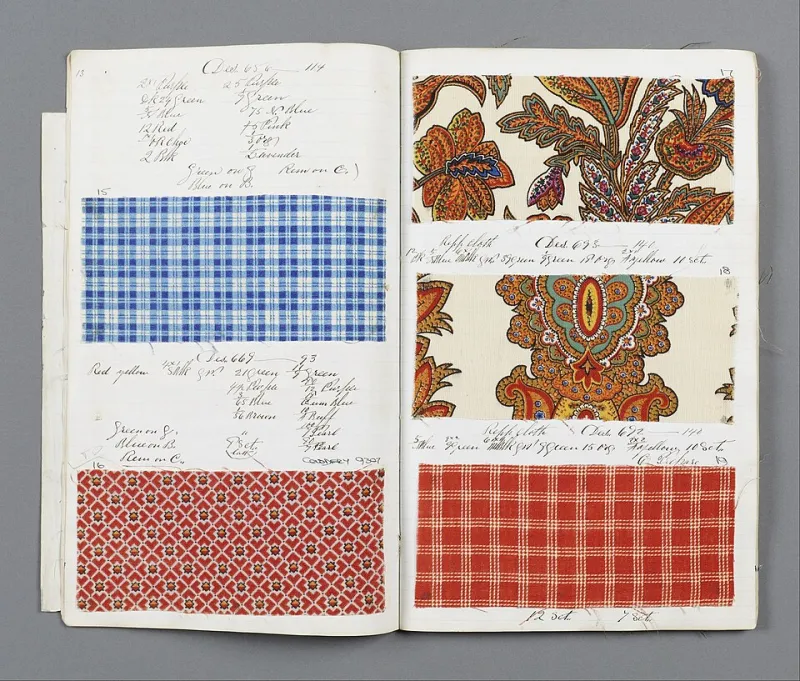
A small, well-kept archive of swatches, labels, repair notes, and alteration records can change how you shop and how you care for the clothes you already own. It is not nostalgia; it is a practical memory system for a considered wardrobe.


The Honest Seam: Reading Visible Construction in a Considered Wardrobe
Ateliers & Makers

The Honest Seam: Reading Visible Construction in a Considered Wardrobe

Raw hems, bound seams, and exposed stitching have moved from the workroom into everyday dress. The difference between a considered detail and a careless one is not the absence of finish, but the quality of execution.

Quiet by Design: The Considered Case for Clothes Without a Visible Name
Ateliers & Makers

Quiet by Design: The Considered Case for Clothes Without a Visible Name

The most confident dressing in America right now is often the least legible. An argument for garments whose value is written in cloth and cut rather than on a label, and a practical guide to recognizing quality once the logo is no longer doing the talking.

Turn It Inside Out: Reading the Interior of a Winter Coat in 2026
Fabric & Construction

Turn It Inside Out: Reading the Interior of a Winter Coat in 2026

A coat's shell can be polished for the mirror; its interior cannot. This winter, the most useful five minutes in a fitting room are spent with the garment turned inside out, reading lining, interlining, and seam allowance the way a maker reads a pattern.

Light, Scent, and the Hanger: Reading the Room in an Independent Boutique
Boutique Design

Light, Scent, and the Hanger: Reading the Room in an Independent Boutique

Independent boutiques use lighting, scent, hangers, and fitting-room architecture to frame the clothes they sell. This deep dive helps shoppers separate atmosphere from garment quality—and celebrates shops whose design actually honors the craft on the rail.

The Tuesday Coat: Why the Best Cloth in the Closet Deserves an Ordinary Day
Ateliers & Makers

The Tuesday Coat: Why the Best Cloth in the Closet Deserves an Ordinary Day

The best-made coat in a wardrobe is often the least worn. This opinion piece argues for retiring the dust bag, doing the cost-per-wear arithmetic, and letting craft meet the school run, the commute, and the ordinary Tuesday.

Five Cloths Worth Touching in 2026: A Quiet Forecast for the Considered Wardrobe
Fabric & Construction

Five Cloths Worth Touching in 2026: A Quiet Forecast for the Considered Wardrobe

The year's most consequential material shifts are not loud ones. From regenerative wool with visible provenance to deadstock silk sold by the yard, here is what to feel for in the store, what to ask the salesperson, and how discerning American boutiques are editing these cloths into their assortments.

Buy the Fitting, Not Just the Garment: A Case for Making Alterations Part of the Purchase
Ateliers & Makers

Buy the Fitting, Not Just the Garment: A Case for Making Alterations Part of the Purchase

Ready-to-wear is a starting point, not a verdict. An argument for treating the tailor as the truest stylist in the room — and a practical guide to judging fit before you commit, questioning a workroom, and turning a boutique appointment into a genuine service.

Reading the Cloth: A Shoppers Handbook for Judging a Garment Before You Buy It
Fabric & Construction

Reading the Cloth: A Shoppers Handbook for Judging a Garment Before You Buy It

Brand names tell you less than they once did; fiber, weave, and stitch tell you almost everything. A practical, atelier-trained guide to reading the label in 2026, with a seven-point checklist for the fitting room.

Beyond the Coast: Ten Independent American Studios Worth the Detour
Ateliers & Makers

Beyond the Coast: Ten Independent American Studios Worth the Detour

The most interesting American clothing is no longer concentrated in New York or Los Angeles. Ten small studios, from Maine to New Mexico, where small-batch production and thoughtful materials make the drive worthwhile.