The Iron's Signature: Reading Presswork in the Fitting Room
The first encounter with a garment often happens on a hanger, under lights chosen to flatter. But before the mirror, before the label, there is the press. Pressing is the quiet final hand in a garment's making — the step where cloth is coaxed into its intended shape and the atelier's standards are, quite literally, set. A considered piece will show it: seams that lie flat, a lapel that rolls rather than folds, pocket edges that sit without a nervous ripple. Reading those lines before the first wear is one of the most reliable ways to judge what will happen after the tenth.
A Crease Is Not Always a Set
The word crease does two jobs in a wardrobe. One is accidental: the fold that arrives from a cramped shelf or a shipping box, a memory of storage rather than design. The other is intentional: the set an iron gives a seam, a hem, or a lapel so that the garment holds its line. The distinction matters in the fitting room. A sharp, even line along a seam is usually a sign that the maker pressed as they sewed, rather than leaving the whole garment to a final once-over. A dull, wandering crease across a sleeve or a back panel is more likely travel damage — and often treatable. The question is not whether the garment has creases, but whether they look deliberate.
Three Places to Look
Start at the seams. Turn the garment inside out and check the seam allowances: they should be pressed open or pressed to one side with consistency, not twisted or rippled. On the outside, run a finger along a shoulder seam or a side seam. A well-pressed seam sits flat without tension; if the cloth bubbles or the stitching pulls, the pressing may have been skipped or done with too much heat and moisture.
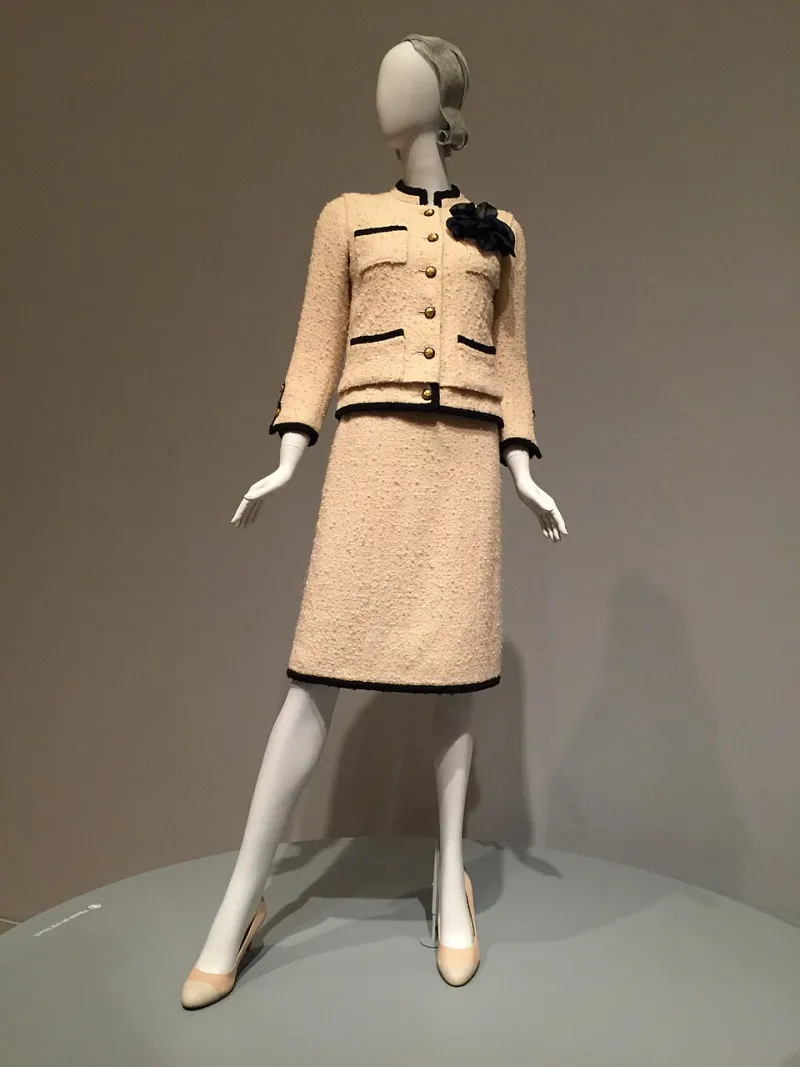
Then the lapel. A tailored jacket's lapel should roll gently from the break point, not fold into a hard crease. A sharp crease at the roll line often means the lapel was pressed flat, which can flatten the chest and make the jacket look rigid. A clean roll, by contrast, suggests the maker understood the difference between pressing a seam and shaping a lapel — two different operations.
Finally, the pocket edges. Look at the corners of patch pockets and the openings of welt pockets. Puckering here is a small tell with a long reach: it can indicate skipped pressing, poor tension, or a pocket that was set without allowing the cloth to settle. A pocket edge should lie smooth and slightly rounded, not flared or dimpled.
Reading Under Ordinary Light
Fitting-room lighting is often kind to garments and unkind to judgment. If you can, step toward a window or a doorway with natural light. Hold the garment at an angle to the light rather than flat-on; raking light reveals ripples that direct light hides. A phone flashlight held low and to the side can serve the same purpose, but use it sparingly — it exaggerates everything, including the harmless. The point is to compare what you see with what you feel. Run your hand along a seam, then look along it. Presswork that survives both the hand and the eye is usually sound.
Also check the garment on the body, not only on the hanger. A jacket that looks crisp on a hanger may reveal a twisted sleeve or a pulling front edge once worn. Presswork is not just a surface finish; it is part of how the garment moves.
Intentional Marks and Neglected Wrinkles
Some press marks are meant to be there. A sharp crease down the front of a trouser leg, a set in a pleat, the crisp edge of a collar band — these are intentional and should look clean and straight. Others are warnings: a double crease where a garment was folded in storage, a shine on a wool surface from an iron pressed too hot, or a hard line across a lapel where it should roll. Shine is particularly telling on dark wool; it suggests heat without a press cloth, and it does not always steam out. If you see it in the shop, ask whether it is a storage artifact or a finishing error. A reputable boutique will know the difference and will often steam a piece before you take it home.
What Presswork Says About the Years Ahead
Pressing is not cosmetic. It sets the relationship between cloth and seam. A garment pressed properly at each stage is more likely to keep its shape through wear and cleaning; a garment pressed hastily can develop seam distortion, bubbling, or a lapel that refuses to roll. This is especially true of wool, linen, and other cloths with memory. The lines you see in the fitting room are a preview of the lines the garment will hold later.
None of this requires expert knowledge so much as a slower look. The atelier's hand is visible in the small things: a seam that sits, a lapel that curves, a pocket that lies quiet.
Caring for the Lines at Home
Once the garment is yours, the aim is to preserve those lines rather than flatten them. Steam is usually kinder than a flat iron. Hang the garment in a bathroom after a hot shower, or use a hand steamer at a distance, letting the cloth relax rather than forcing it. If you do press, use a press cloth and a light hand; avoid hard creases where the maker intended a roll. Store tailored pieces on broad hangers with room to breathe, and give them a day of rest between wearings. A garment that is pressed only when necessary will keep its composure longer than one that is repeatedly ironed flat.
The final test is simple: after a day of wear, do the lines still look intentional? If they do, the pressing was not merely a finish. It was part of the making.