The Eight-Hour Verdict: Reading a Garment After a Real Day

Photo by Photo by Liana S on Unsplash on Unsplash
The fitting room is a controlled environment. The lighting is flattering, the posture is alert, and the garment has not yet been asked to do anything. A mirror can tell you whether a shoulder line sits cleanly and whether a color suits the day. It cannot tell you what the cloth will do after eight hours in a desk chair, a car seat, a crowded train, or a long afternoon of errands.
That is the work of the day-after test. Before the tags come off, give a new piece one ordinary day and read the evidence it leaves behind. The method is not a guarantee of longevity, but it is a reliable way to separate a promising purchase from a costly mistake.
The Limits of the Fitting Room
A garment in a boutique is on its best behavior. It has been pressed, steamed, and arranged. The body, too, is on its best behavior: standing tall, holding the stomach, squaring the shoulders. None of this is dishonest, exactly. It is simply incomplete.
The real questions begin when the cloth is asked to bend, sit, reach, and recover. Does the jacket ride up at the back of the neck? Does the waistband dig in after lunch? Do the elbows bag, or does the cloth spring back? These are not matters of taste. They are matters of construction, and they show themselves in motion.
A Protocol for One Ordinary Day
The test should be dull. Choose a day that resembles your actual life — a Tuesday in late November, perhaps, with a commute, a desk, a lunch, and a walk — rather than a special occasion. Keep the tags tucked inside the garment, and avoid anything that would put it at risk: no gardening, no heavy lifting, no meals that might leave a mark.
At the end of the day, before you undress, stand in front of a full-length mirror. Then lay the garment flat under a good light. Read it in this order: crease recovery, seam torque, collar memory, and cuff wear. The sequence matters, because each finding informs the next.
Crease Recovery: What the Cloth Remembers
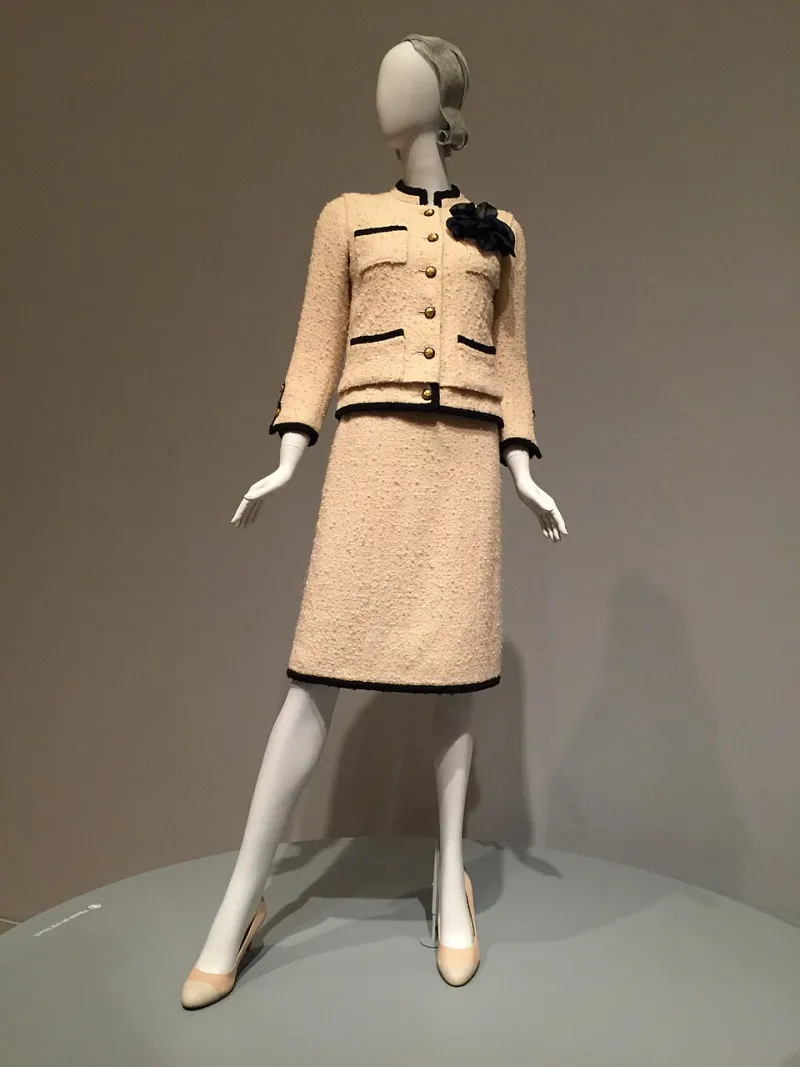
Good cloth creases. That is not a fault; it is a property. The question is whether it recovers. Look first at the places that take the most pressure: the elbows of a jacket, the lap where a bag rests, the back of the knee in trousers, the seat of a skirt.
Wool with a resilient twist will spring back after a short rest on a broad hanger. Linen will crease honestly and stay creased; that is part of its character, not a failure. The warning signs are different. Cloth that looks exhausted rather than creased — limp, fuzzy, or permanently dented — is telling you something about fiber quality or finish. Cloth that bags at the elbow and stays bagged after an hour on a hanger is telling you something about its ability to hold shape.
Give the garment an hour. Then look again. Some creases settle; others sharpen. The ones that sharpen are the ones to note.
Seam Torque: The Quiet Pull
A seam should lie flat. After a day of movement, it may not. Run your fingers along the shoulder seam, the side seam, and the center back. Look for twisting, puckering, or a seam that spirals away from the body.
A small amount of torque can be normal in a fitted garment, especially after sitting. Persistent spiral is not. It often points to mismatched grain, a seam that was stretched during construction, or pressing that has not been properly set. Check the armhole as well. A armhole seam that ripples after a day of reaching is a seam that will only worsen with wear.
This is the kind of evidence that a mirror cannot supply. It appears only after the cloth has been asked to move.
Collar Memory and the Cuff Ledger
The collar is the garment's face. A good collar returns to its roll after being pressed against a coat, a scarf, or the back of a chair. A poor one collapses and stays collapsed. Look at the collar band, too: does it stand away from the neck, or has it softened into a shapeless curve?
Cuffs keep a ledger of the day. The fold of a shirt cuff will show the first faint shine or fraying. A jacket cuff will show whether the edge has held its crispness or begun to curl. Buttonholes will tell you whether they have stretched. None of these are reasons to reject a garment on their own, but together they form a pattern.
The Geometry of Sitting
Sit for a while. Then stand, walk, and sit again. A garment should accommodate posture without constant adjustment. Does the jacket ride up at the back? Does the waistband cut when you lean forward? Do the trousers pull across the thigh? Does the skirt twist around the hips?
These are fit questions, but they are also construction questions. A well-cut garment is designed for the body in motion, not only the body in a mirror. If you find yourself tugging at the hem or hitching up the waist every twenty minutes, the garment is asking you to do its work.
The Morning After
Do not decide at night. Let the garment rest overnight on a broad hanger, away from heat and sunlight. In the morning, read it again. Some issues settle with rest; others become clearer. A crease that has not lifted by morning is a crease that will live in the garment.
This is also the moment to consider the practicalities of return. Many retailers require tags to be attached, and a garment worn outdoors may no longer qualify. The day-after test is therefore best conducted indoors, or in low-risk settings, until you have made your decision. If the evidence is mixed, alterations may resolve a fit issue — but they cannot resolve a cloth that has already tired.
What the Test Cannot Tell You
The eight-hour verdict will not tell you how a garment will look after five years, or how it will survive cleaning. Those are longer stories. But it will tell you whether the cloth has the resilience to begin that story well. It will tell you whether the seams can take a day of ordinary movement. It will tell you whether the collar will hold its composure.
A considered wardrobe is built on evidence, not hope. The fitting room offers a first impression. The day after offers a verdict. Give a new garment one ordinary day, and read what it leaves behind.